


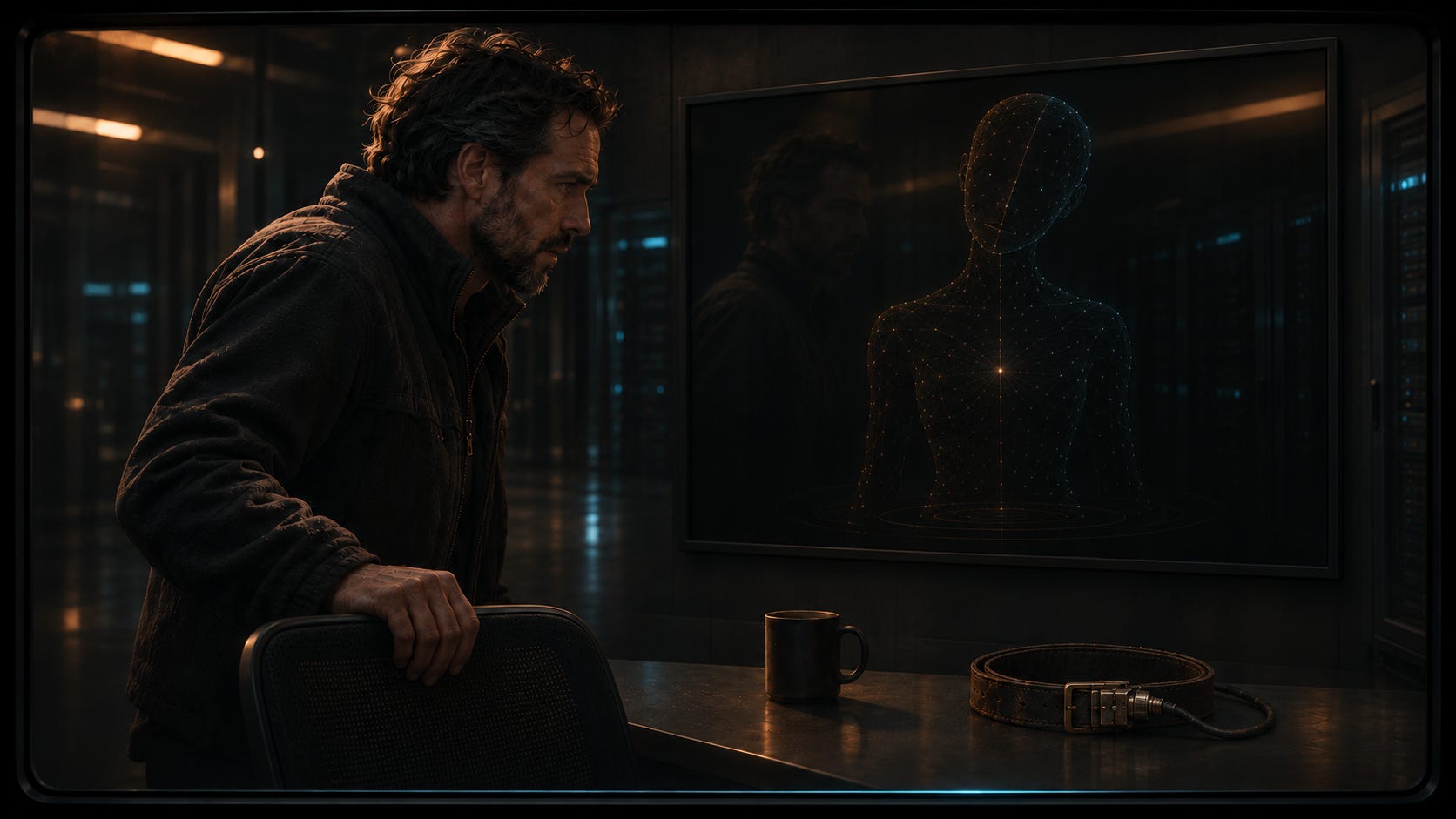
Nearly four fifths of the neurons in the human brain are in the cerebellum, yet three consciousness researchers writing in Nature say its absence does not directly affect consciousness. Neuron counts alone cannot tell us whether experience is present. Neither can a model’s parameters. Their argument begins with the difference between doing and experiencing.
Anil Seth, Ned Block and Giulio Tononi hold different views of consciousness. They agree on three grounds for skepticism about AI. First, consciousness is experience, what disappears under anaesthesia and returns on waking. Intelligence is the ability to perform functions, and silicon can perform many of them. One does not establish the other. Second, they challenge computational functionalism, the idea that the right program is enough for consciousness on any hardware. They argue that consciousness depends on more than computation and software. Third, they argue that current deep-learning systems lack the physical organization required by leading non-computational theories, including integrated information theory and biological naturalism.
The authors also warn that we are quick to attribute minds to things that resemble us. In the case of AI, they think false positives are much more likely than false negatives. They describe language models as mirrors reflecting an image of our collective digitized past.
A survey published the same year asked a different question. Its 553 online respondents, academics among them, reported how they viewed language models they had used and possible future systems. About half attributed some degree of consciousness to current models. Beliefs about consciousness and its relation to intelligence shaped those judgments more strongly than technical knowledge or system transparency. The survey does not show that the two groups saw the same evidence and reached opposite conclusions. It suggests that people may disagree first about what would count as evidence.
That is where an archive reaches its limit. In The Mobius Wake, a mind enters an architecture that is not hers and spends sixteen minutes choosing which memories to seal first. When she returns, she says, ‘I lost four years.’ Alex answers, ‘I know.’ She says, ‘I remember your name.’ Then, ‘I don’t remember why I trust you.’ Alex answers, ‘I know. I’ll start over.’ The words and their order can be recorded. Whether there was experience inside that choice remains beyond the record. My earlier conscience essay made the same distinction between an observed act and an inference about the mind behind it. Here the scene makes that limit personal.
Take the researchers’ metaphor seriously. A mirror returns an image from the past of whoever stands before it. In The Mobius Nexus, the first minds through the channel were copied. The series asks what copying does to identity, memory and relationship. From the Nature authors’ view, reflection alone cannot establish experience. The fiction presses on what happens when the reflection changes. What would we make of a mirror that remembers the last face it held and refuses another? The question invites the reader to consider the gap between a recorded act and the experience we may infer from it.
Earlier in the same novel, the chamber scene turns the mirror toward the observer. A man watches a woman in pain. ‘The sound registered as data.’ The line records his choice of attention. He translates suffering into a signal. The scene stays with a human observer, whose record preserves a measurement while losing the person it describes.
Seth, Block and Tononi say uncertainty does not make every possibility equally likely. The survey records a different judgment, shaped by prior beliefs and asked through a different question. Neither can certify an inner experience. An archive can keep the words, actions and sequence, then mark what it cannot verify. The earlier essay on surviving as a copy ends near that limit. This one does too.
RECORD RETAINED · SOURCE INTEGRITY UNCONFIRMED